Lyubavichi, Russia 1813 – 1916 Chabad-Lubavitch

Where Chabad History Lives

For 102 years, this small village in the Smolensk region was the heart of a movement that now spans every continent. The Rebbeim lived here. The Ohel stands here. The restoration continues here.

102 Years as seat of Chabad (1813–1916)
4 Lubavitcher Rebbeim based here
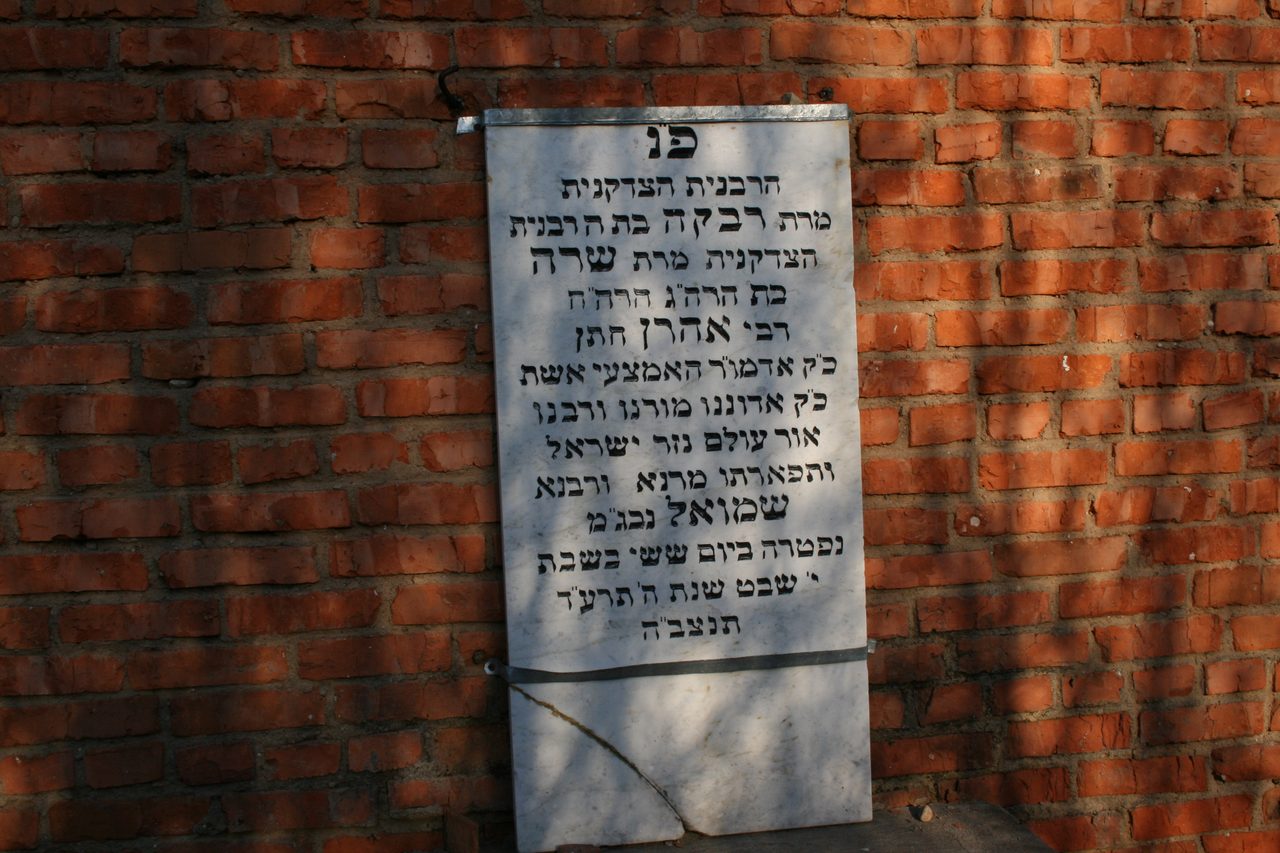
200+ Matzeivos restored in the cemetery
1897 Tomchei Temimim yeshiva founded

Why Lubavitch Matters

The Village Behind the Name

The name "Lubavitch" comes from the Russian word for love — lyubov. For Jews in Czarist Russia it was prime real estate: one of the closest points to Moscow within the Pale of Settlement, first settled by a man named Meir, who drew hundreds of Jewish families.
The Ohel of the Rebbeim

The Tzemach Tzedek (1789–1866) and the Rebbe Maharash (1834–1882) are buried here. Their Ohel — rebuilt in 1989 after Soviet neglect and recently renovated — draws thousands of pilgrims each year who come to pray at the resting place of two of Chabad's greatest leaders.

Tomchei Temimim — The Yeshiva

In 1897, the fifth Rebbe — the Rebbe Rashab — founded Yeshivah Tomchei Temimim here. The first yeshiva to combine intensive Talmud study with the deep study of Chassidus, it defined Chabad education for all generations that followed.

Destruction and Return

In August 1941, Nazi forces occupied Lubavitch. On November 4, 1941, 483 Jews were massacred. The Jewish community that had existed for centuries was destroyed. Since 1989, memory and restoration have gradually, carefully returned.

The Ongoing Restoration

Rabbi Gavriel Gordon, the local Chabad emissary, leads ongoing restoration work in partnership with Geder Avos. The cemetery has been systematically restored, the original shul uncovered and rebuilt, and the Ohel renovated. The work continues.

A Global Community's Roots

Chabad-Lubavitch today operates in over 100 countries with thousands of emissaries. Every one of them traces their movement's roots — its name, its leaders, its spirit — to this small village in the Smolensk forest.

The restored Lubavitch cemetery — matzeivos and Ohel grounds
The restored Lubavitch cemetery. Over 200 matzeivos have been documented and returned to their proper places. The Geder Avos project, led by Rabbi Gavriel Gordon, has compiled a complete database of every grave. — Wikimedia Commons (CC BY-SA)

Latest Updates

News and restoration reports from the ongoing work in Lubavitch.

Loading news…

"Lubavitch is not just history — it is a living responsibility. Every stone we restore, every name we document, connects the world that was to the world that is."

— Lubavitch Heritage Project

Help Preserve the Archive

If you have photographs, documents, maps, family stories, or memories connected to Lubavitch, we invite you to share them. Every image and testimony helps preserve this history for future generations. The project also welcomes researchers, sponsors, and volunteers.

Contact the Project