Before Lubavitch became a global name — carried by thousands of emissaries to every corner of the world — it was a real place. A Jewish shtetl in the forests of the Smolensk region, on the edge of the Pale of Settlement, where the Rebbeim lived, taught, and are buried.
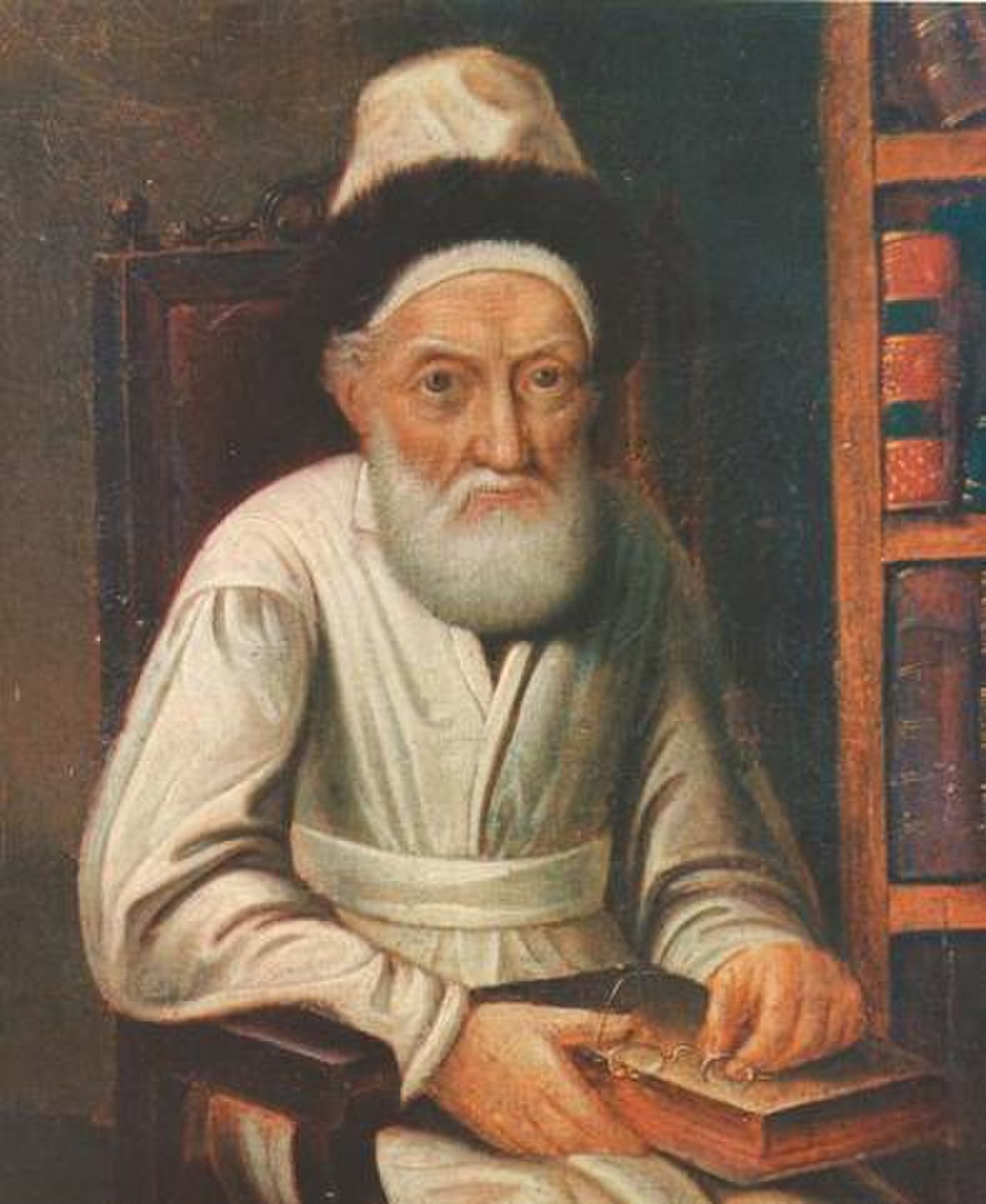
Rabbi Menachem Mendel Schneersohn — the Tzemach Tzedek (1789–1866), third Rebbe of Chabad. He led the movement from Lubavitch for nearly 40 years and is buried there. — Wikimedia Commons
The Origin of the Name
The town takes its name from the Russian word lyubov — love. According to Chabad-Lubavitch tradition, the settlement was originally founded by a Jew named Meir, who named it in reference to his people's love of God.
First mentioned in documents in the 15th century, Lyubavichi grew into a significant Jewish settlement. By 1847 it had a Jewish population of 1,164; by 1897 it had reached 1,660 — a thriving shtetl with two synagogues, yeshiva buildings, a market, and the court of the Chabad Rebbeim.
The village was strategically located for its Jewish inhabitants: one of the nearest points to Moscow within the Pale of Settlement, where Russian law confined most Jews to live.
The Rebbeim of Lubavitch
The Alter Rebbe — Rabbi Shneur Zalman of Liadi
The founder of Chabad-Lubavitch studied in the area as a young man (1756–1757) before establishing the movement in Lyady. He is not buried in Lubavitch, but his students and successors planted the Chabad presence in the village that would carry the movement's name forward.
The Mitteler Rebbe — Rabbi Dovber Schneuri (1773–1827)
The second Rebbe of Chabad, son of the Alter Rebbe, moved his court to Lyubavichi on 18 Elul 1812 — arriving with thousands of chassidim. He established Lubavitch as the undisputed center of Chabad, where it would remain for over a century. He is not buried in Lubavitch; he passed away in Nizhyn, Ukraine in 1827.
The Tzemach Tzedek — Rabbi Menachem Mendel Schneersohn (1789–1866)
The third Rebbe led Chabad from Lubavitch for nearly 40 years. A prolific author — his major halachic work Tzemach Tzedek gave him his title — he was a fierce defender of Jewish rights before the Czarist government. He passed away in Lubavitch on 13 Nissan 1866 and is buried there. His Ohel remains the central destination for pilgrims to Lubavitch.
The Rebbe Maharash — Rabbi Shmuel Schneersohn (1834–1882)
The fourth Rebbe was born, lived, and died in Lubavitch. He is buried beside his father, the Tzemach Tzedek. A key figure in Chabad's philosophical and practical development, he is known for the teaching: "Lechatchila ariber" — better to leap over the obstacle than to find a way around it. He passed away on 13 Tishrei 1882.
The Rebbe Rashab — Rabbi Sholom Dovber Schneersohn (1860–1920)
The fifth Rebbe founded Yeshivah Tomchei Temimim in Lubavitch in 1897 — the yeshiva that would define Chabad education. In the fall of 1915, as World War I threatened the region, he evacuated his court to Rostov, Russia. He never returned to Lubavitch. He passed away in Rostov in 1920 and is buried there.
The Frierdiker Rebbe — Rabbi Yosef Yitzchak Schneersohn (1880–1950)
Born in Lubavitch in 1880, the sixth Rebbe visited the Ohel once after accepting leadership. In 1922, in the Akeda Shul beside the Ohel, he delivered the last Maamar spoken by a Lubavitcher Rebbe in Russia. He survived Soviet persecution, the Holocaust, and eventually brought Chabad's headquarters to New York, where his son-in-law and successor — the seventh Rebbe — would transform it into a worldwide movement.
Tomchei Temimim — The Yeshiva That Changed Everything
"The Yeshivah Tomchei Temimim was the first of its kind: a place that fused the deepest study of Talmud with the deepest immersion in Chassidus."
— Chabad historical tradition
In the summer of 1897, the Rebbe Rashab founded Yeshivah Tomchei Temimim Lubavitch. Students came from across the Russian Empire. The yeshiva produced the emissaries, rabbis, and leaders who would carry Chabad through the horrors of the 20th century and plant it in every corner of the world. The central yeshiva was evacuated in 1915 and formally disbanded in 1917, but branches continued — and today, Tomchei Temimim institutions exist in dozens of countries.
The Holocaust
The Ohel of the Tzemach Tzedek and Rebbe Maharash — the central pilgrimage site at the Lubavitch cemetery. Rebuilt in 1989 and renovated in 2023–2024. — Wikimedia Commons (CC BY-SA)
In August 1941, German forces entered Lyubavichi. A ghetto was established. On November 4, 1941 — 14 Cheshvan 5702 — 483 Jews were massacred. Additional victims perished in subsequent months. By the time the village was liberated on September 29, 1943, virtually the entire Jewish community had been destroyed. The cemetery — the graves of the Rebbeim and of generations of Jewish families — fell into Soviet neglect for decades.
Timeline
First documentary mention of Lyubavichi
The settlement is first mentioned in historical records. According to Chabad tradition, it was founded by a Jew named Meir and named for the Hebrew/Slavic concept of love.
Mitteler Rebbe establishes Lubavitch as Chabad center
Rabbi Dovber Schneuri, the second Chabad Rebbe, moves his court to Lyubavichi on 18 Elul 1812. The village becomes the seat of the Chabad-Lubavitch movement — a position it will hold for 102 years.
The Tzemach Tzedek leads from Lubavitch
Rabbi Menachem Mendel Schneersohn becomes the third Rebbe and leads Chabad from Lubavitch for nearly 40 years. He defends Jewish rights before the Czarist government and produces major works of Torah scholarship. He passes away in Lubavitch in 1866 and is buried there.
Jewish population: 1,164
The Jewish community of Lyubavichi continues to grow, supported by proximity to Moscow and the presence of the Chabad court. By 1880 the town has 1,516 inhabitants, of whom 978 are Jewish.
The Rebbe Maharash leads from Lubavitch
Rabbi Shmuel Schneersohn, the fourth Rebbe, is born, lives, and passes away in Lubavitch on 13 Tishrei 1882. He is buried beside his father, the Tzemach Tzedek.
Yeshivah Tomchei Temimim founded
The fifth Rebbe, Rabbi Sholom Dovber Schneersohn, establishes the Yeshivah Tomchei Temimim Lubavitch in the summer of 1897. The first institution to combine intensive Talmud study with deep study of Chassidus, it produces a generation of Chabad leaders.
Jewish population peaks at 1,660
The Jewish community reaches its historical maximum. The shtetl is a thriving center of Jewish and Chassidic life, with a market, synagogues, yeshiva buildings, and the Rebbe's courtyard complex.
Rebbe Rashab evacuates — end of Lubavitch as Chabad center
On 16 Cheshvan 5676, as World War I approaches, the Rebbe Rashab evacuates his court to Rostov. The central yeshiva disperses in 1917. After 102 years, Lubavitch ceases to be the seat of Chabad leadership — though its name remains forever attached to the movement.
Last Maamar in Russia
Rabbi Yosef Yitzchak Schneersohn, the sixth Rebbe, visits Lubavitch and delivers the last Maamar (Chassidic discourse) spoken by a Lubavitcher Rebbe in Russia — from within the Akeda Shul beside the Ohel.
Nazi occupation and massacre
German forces enter Lyubavichi in August 1941. A ghetto is established. On November 4, 1941, 483 Jews are massacred. The Jewish community — which had existed in Lubavitch for over 250 years — is destroyed. The village is liberated on September 29, 1943.
First modern restoration — Ohel rebuilt
Following the collapse of Soviet restrictions, the first organized restoration visits occur. The Ohel is rebuilt. The Schneerson House is purchased and registered in the Lubavitcher Rebbe's name. The cemetery receives its first systematic attention in decades.
Information center opens in the Chatzer
The information center "Hatzer Raboteinu Nesieinu Belubavitch" opens on the historic site of the Rebbe's courtyard, offering visitors documentation and context for the history of the village.
Major restoration — Rabbi Gavriel Gordon and Geder Avos
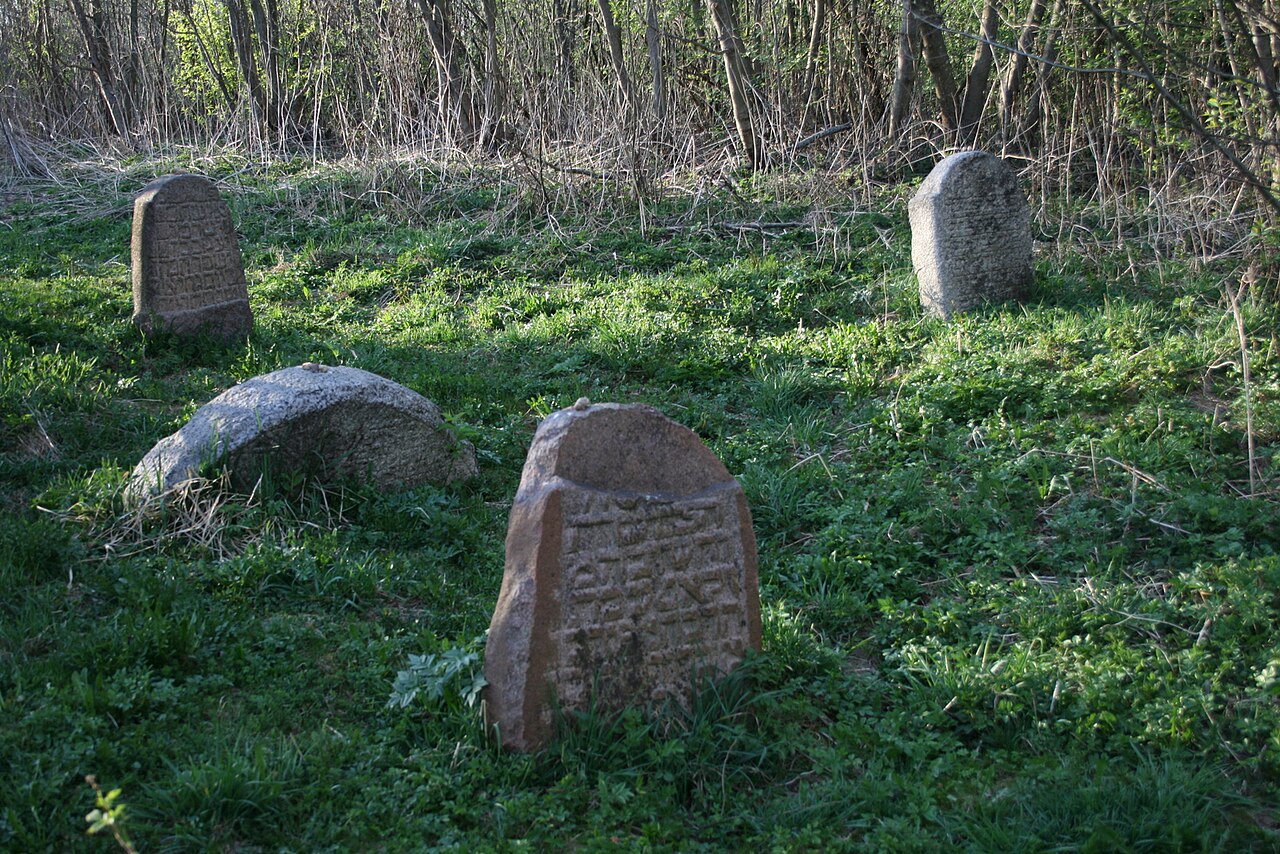
A systematic restoration project begins: hundreds of matzeivos uncovered and reinstalled, the Akeda Shul foundation discovered and rebuilt, the Ohel of the Rebbetzins constructed, a complete cemetery database compiled, and the Ohel of the Rebbeim fully renovated. The work continues.
Visit and Support
Lubavitch is open to visitors. The Ohel, the cemetery, the Schneerson House, and the restored shul are accessible. Rabbi Gavriel Gordon and the local team welcome pilgrims, researchers, and anyone connected to this history. If you have historical materials or wish to support the restoration, please reach out.